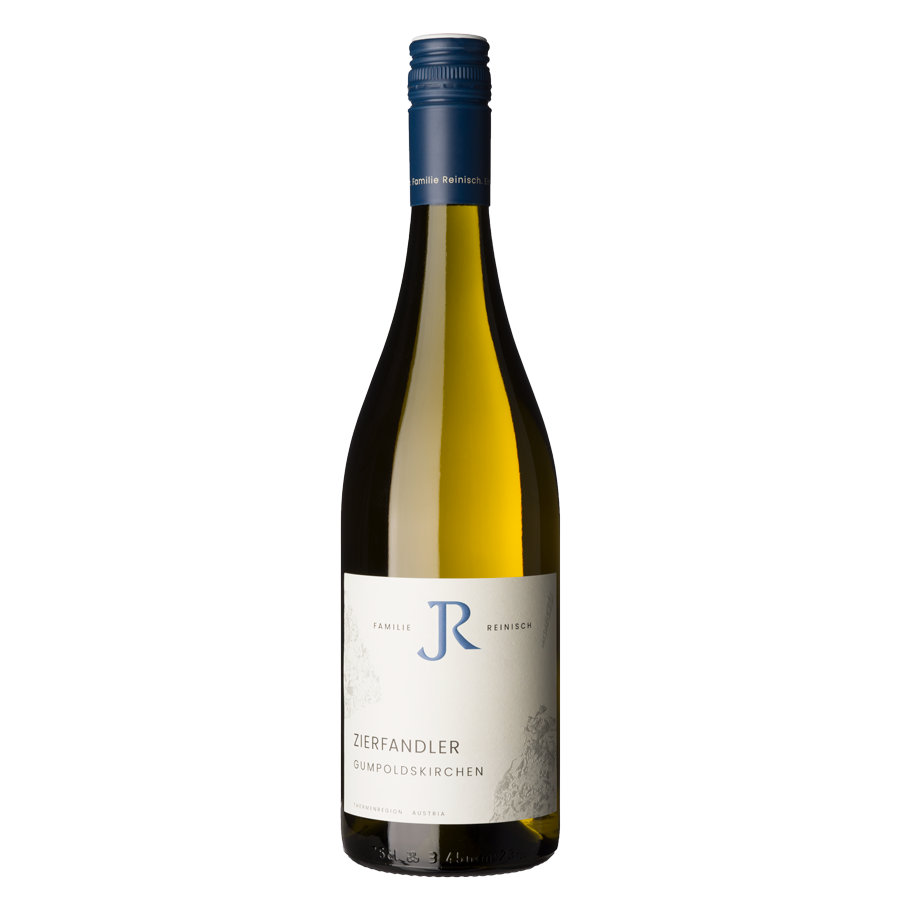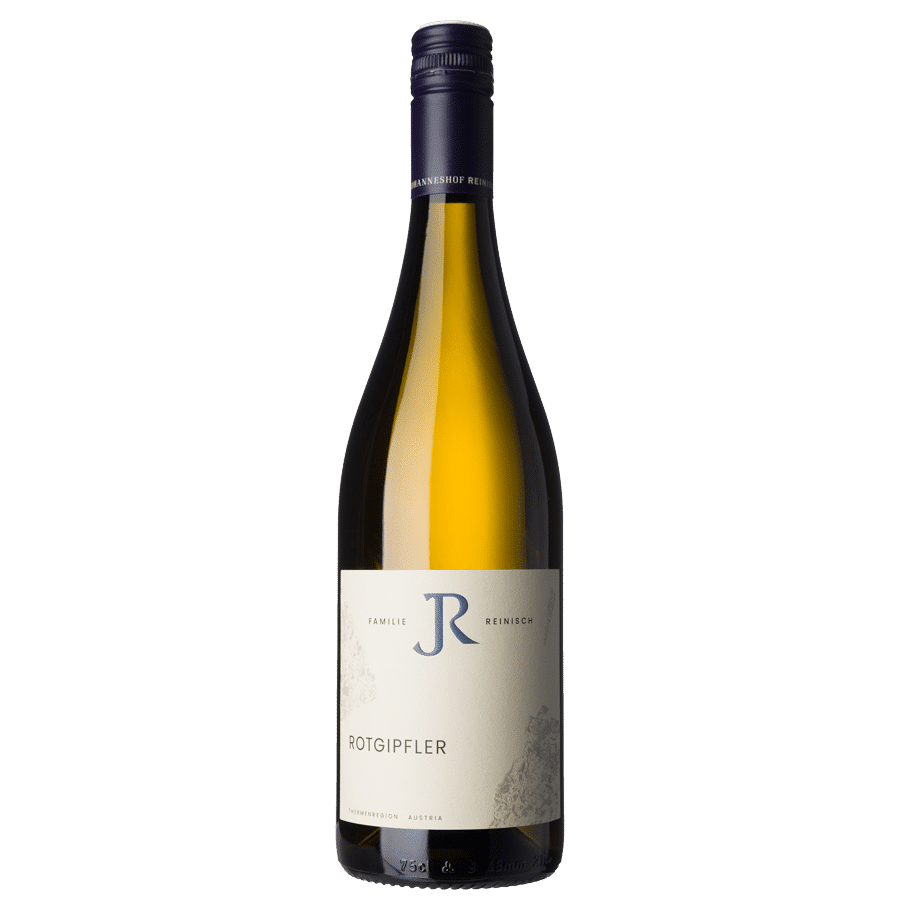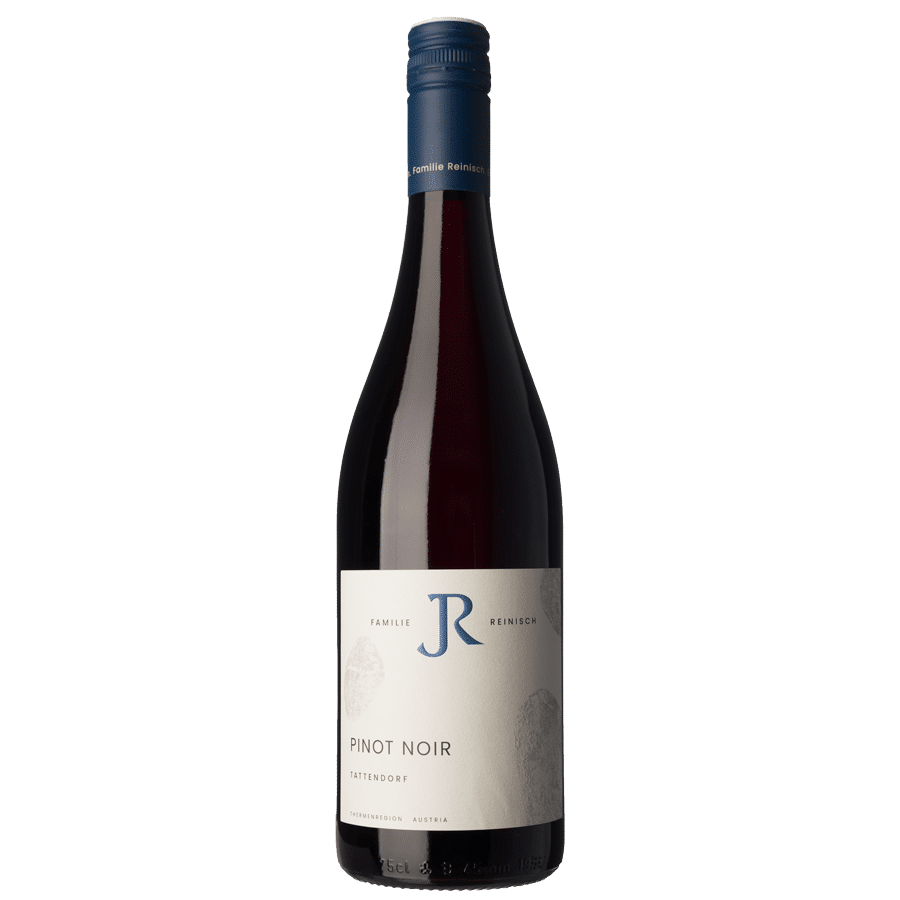
Wine has shaped this family. For many generations. It always has. Through it, we reveal ourselves, make decisions, and work with what we find. It is and always will be the sum of its parts.
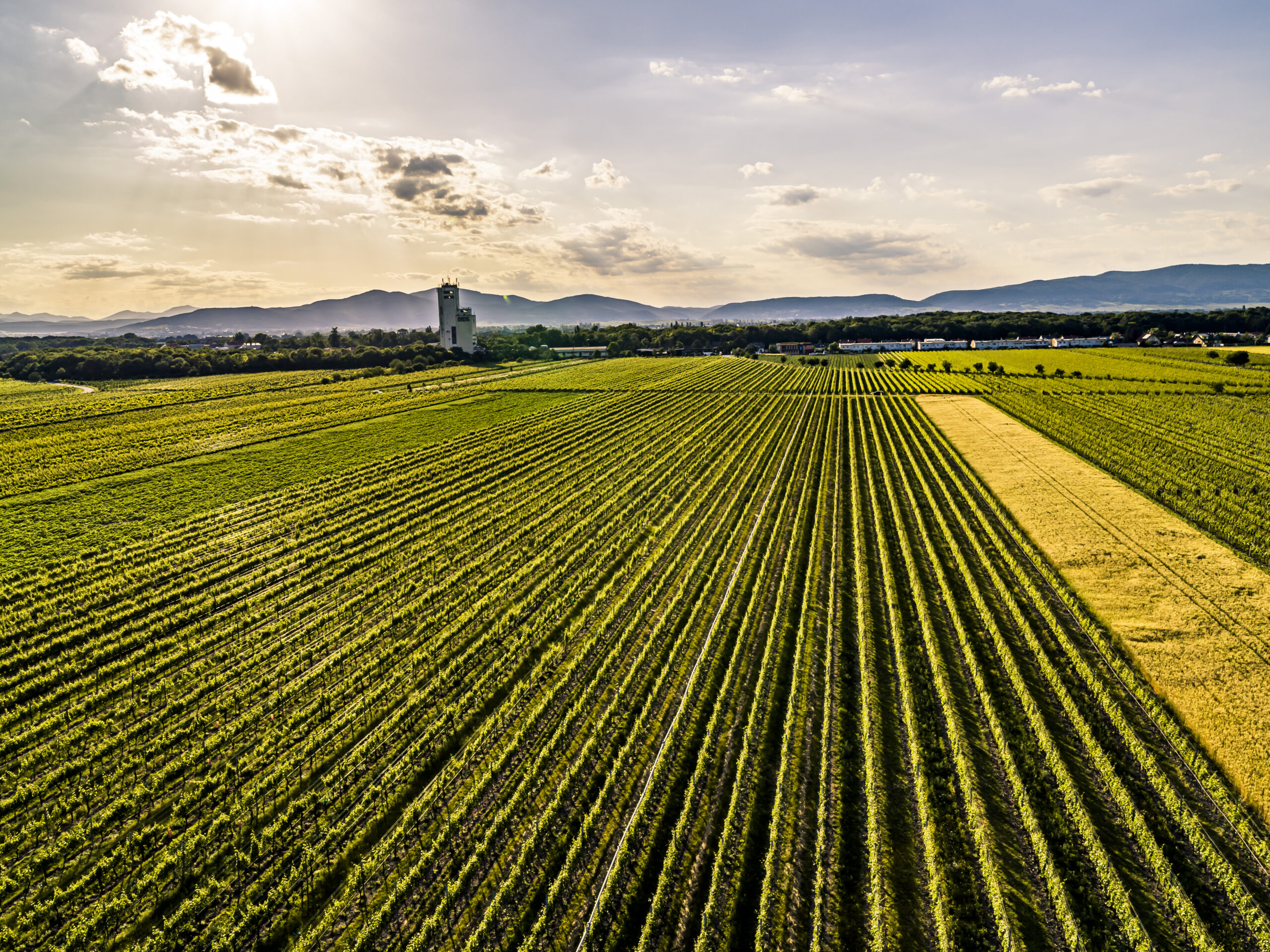
Tattendorf
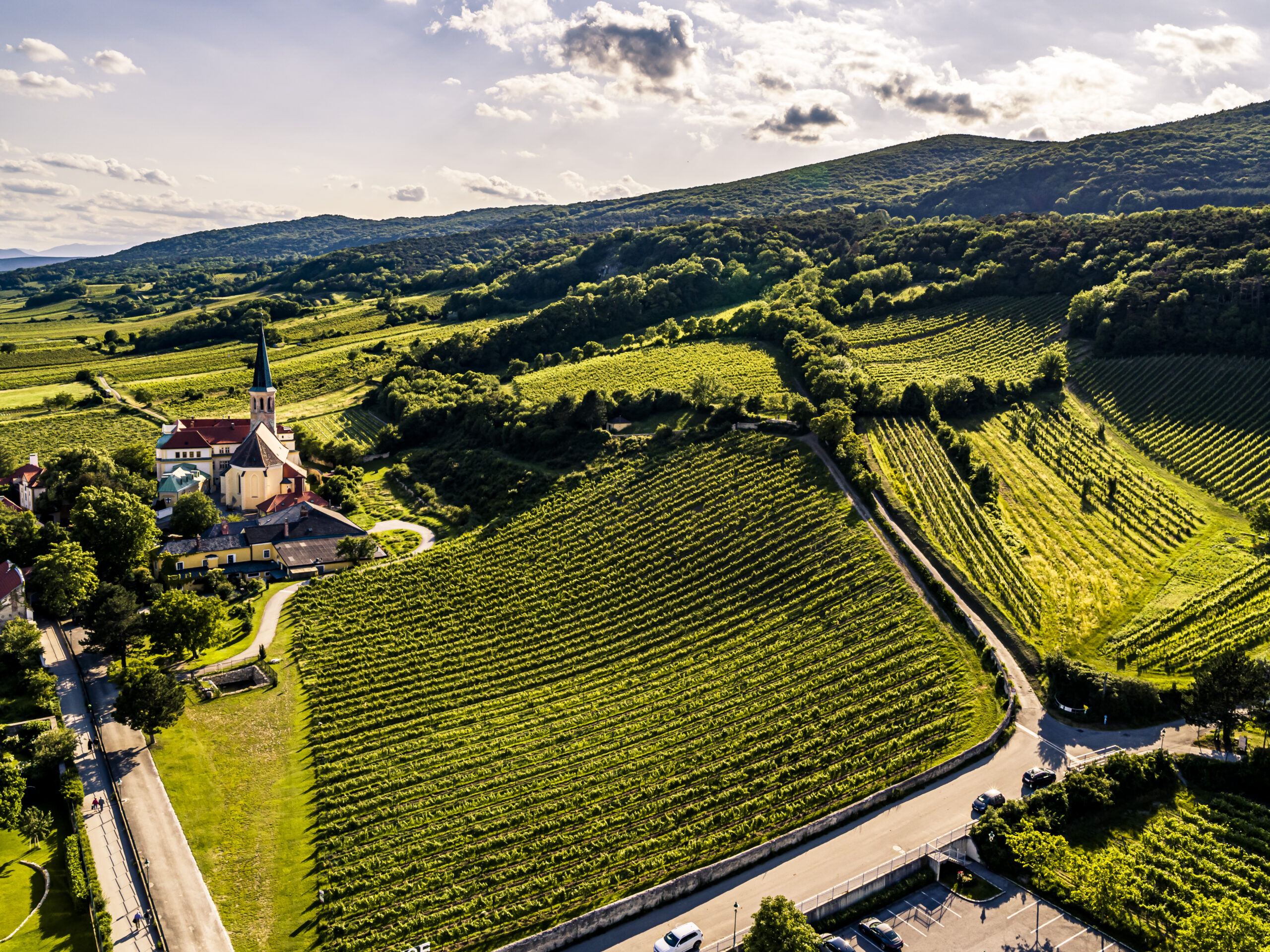
Gumpoldskirchen
1923
The beginning, and thus the first part
What began back then with just under half a hectare has grown over the years—driven by this family’s passion. Everyone has played their part in making it what it is today.
We are by no means at the end of this journey; rather, we are right in the middle of it: in a place that has great potential, is changing, and yet has remained essentially the same. The shift toward indigenous grape varieties—varieties that are so inextricably linked to this region—is part of our history and, at the same time, part of our future.
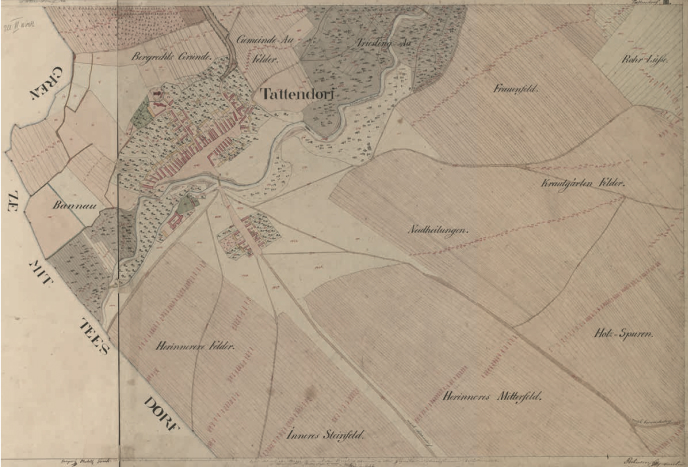
Cadastral Map of the Municipality of Tattendorf with a List of Vineyards (1819)
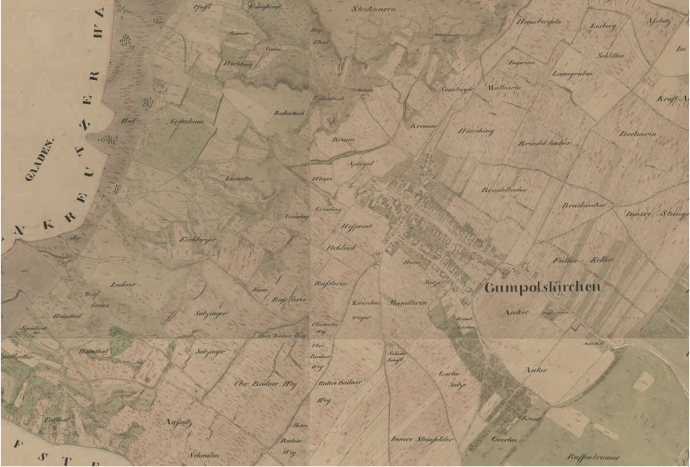
Cadastral Map of the Municipality of Gumpoldskirchen with a List of Vineyard Sites (1818)
Handwriting develops. Bit by bit.
In addition to the local grape varieties Zierfandler and Rotgipfler, we feel a special connection to St. Laurent and Pinot Noir in particular. Each variety has its own unique personality. Each requires something different to reach its full potential.
Still, it was probably the “queen of Grape Varieties” that posed the greatest challenge for us: Pinot Noir doesn’t forgive even the smallest mistake. Don’t worry—we’ve made them all. The reward was finesse—and a sophistication that is reflected in all our other wines and has thus become Reinisch’s signature. This applies to our entry-level wines as well as to our village and single-vineyard wines. Quality is an attitude—and it is the sum of many parts.
Ideal Conditions
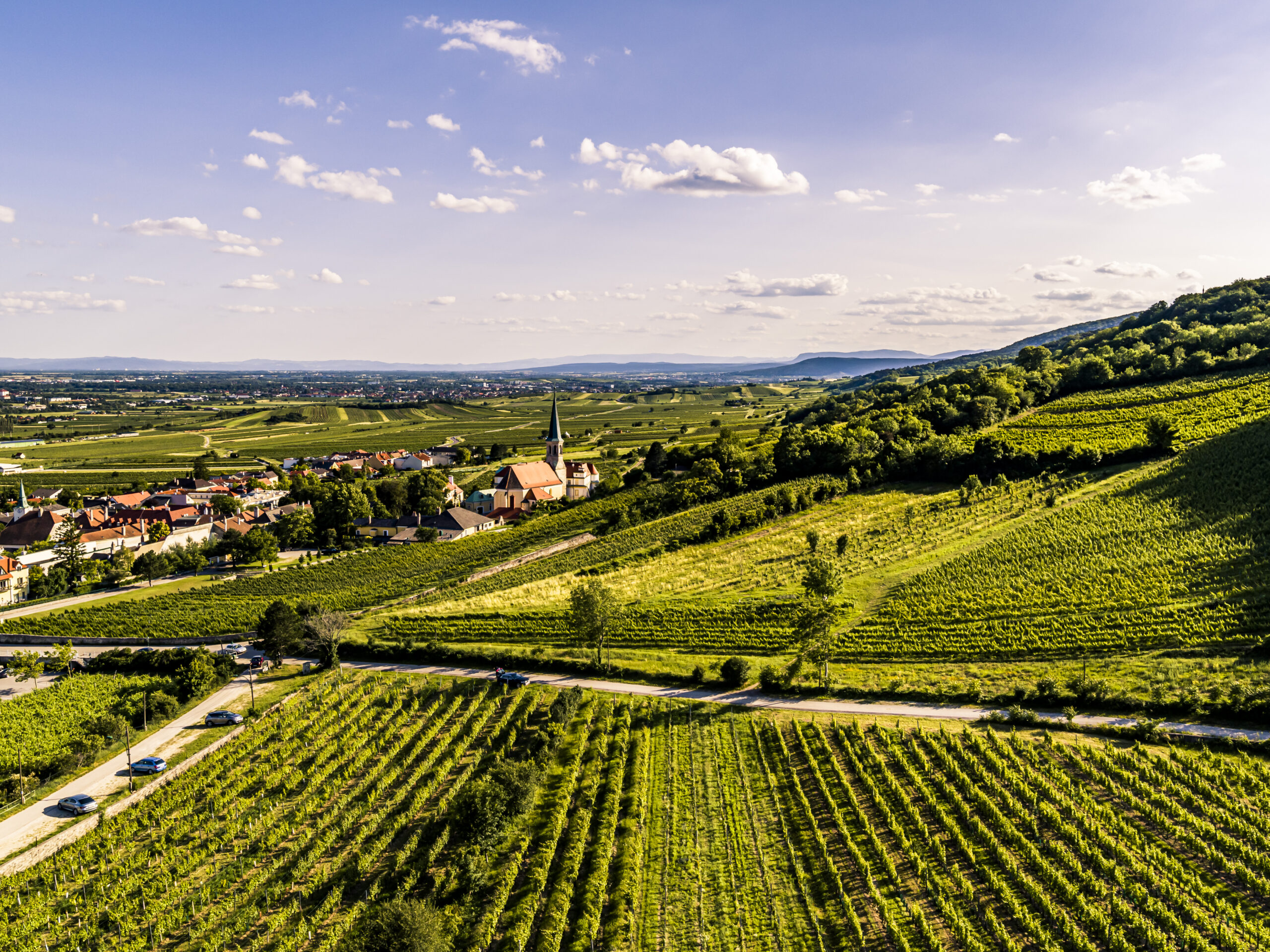
Being born into a region like this is both a privilege and a responsibility. What we’ve found here is more than good. What we make of it must therefore be all the better. An ideal interplay of microclimate, soil, and craftsmanship. In the world of wine, this is called “terroir”—for us, it is “the sum of all its parts.” Nothing is insignificant; everything is important.
The climate, characterized by a constant flow of air between the plains to the east and the hill range to the north, ensures that the vines dry quickly after rainfall. The grapes remain healthy and largely free of fungal disease. The soils, characterized by brown earth, alluvial gravel, and conglomerates, ensure wines with character and depth.
In the cellar, we place just as much emphasis on tradition as we do on innovation. What we do is the culmination of many years of experience—and yet we remain open to new ideas. Structure, drinkability, and elegance are the cornerstones of our work. The wines are aged primarily in French oak and partly in Hungarian oak, and are given exactly the time they need to reach their full potential.
A Game of Numbers
Wine is, first and foremost, nature—it sets the pace. We support that process by making conscious decisions. The fact that we’ve been certified organic since 2013 is no coincidence, and certainly not just a label we wanted to slap on ourselves. It’s a deep-seated conviction.
Sheep roam our vineyards, chickens peck, and honeybees buzz. We make a special effort to foster biodiversity. A farm like this is a complex system whose individual parts must work together seamlessly. It’s a system that thrives on both experience and an openness to new ideas. Much of what we do today would have been unthinkable just a few years ago. A place like this is always a legacy, a heritage—but also an idea that we carry forward into the future.
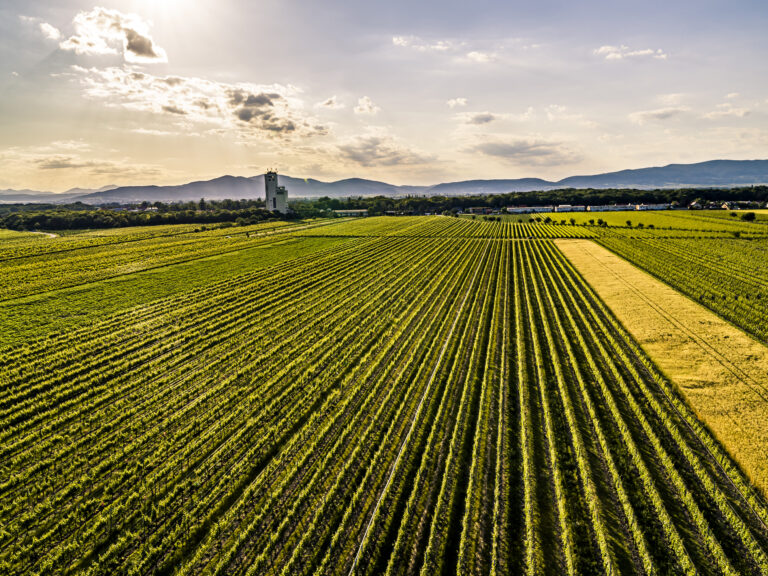
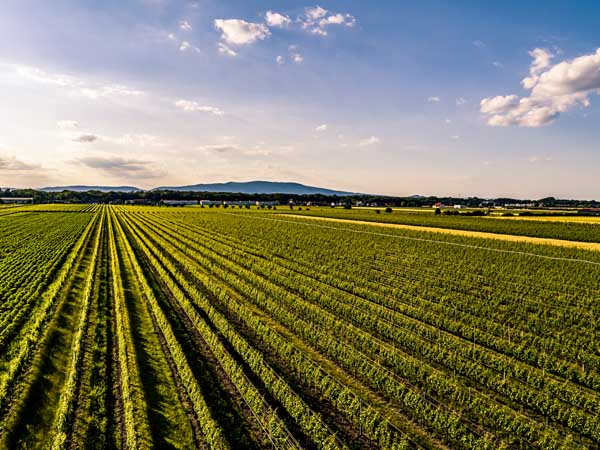
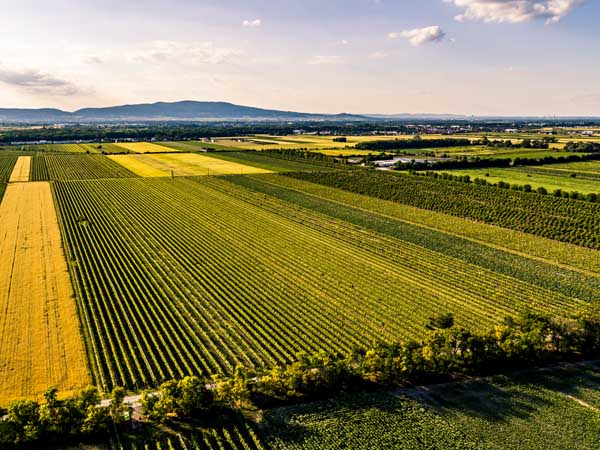
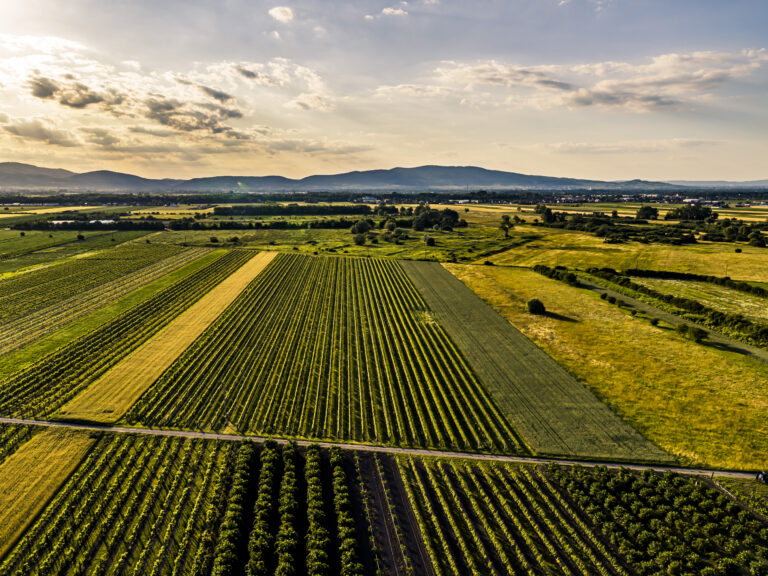
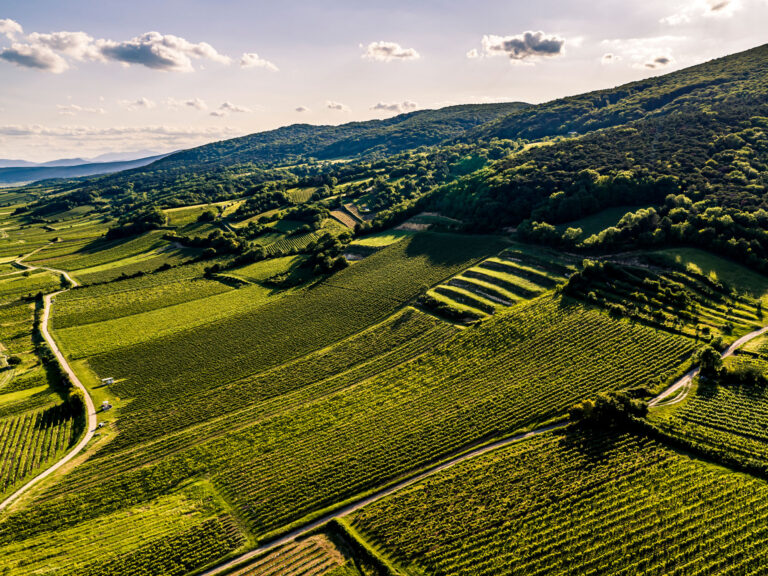
The Vineyard Sites in Tattendorf
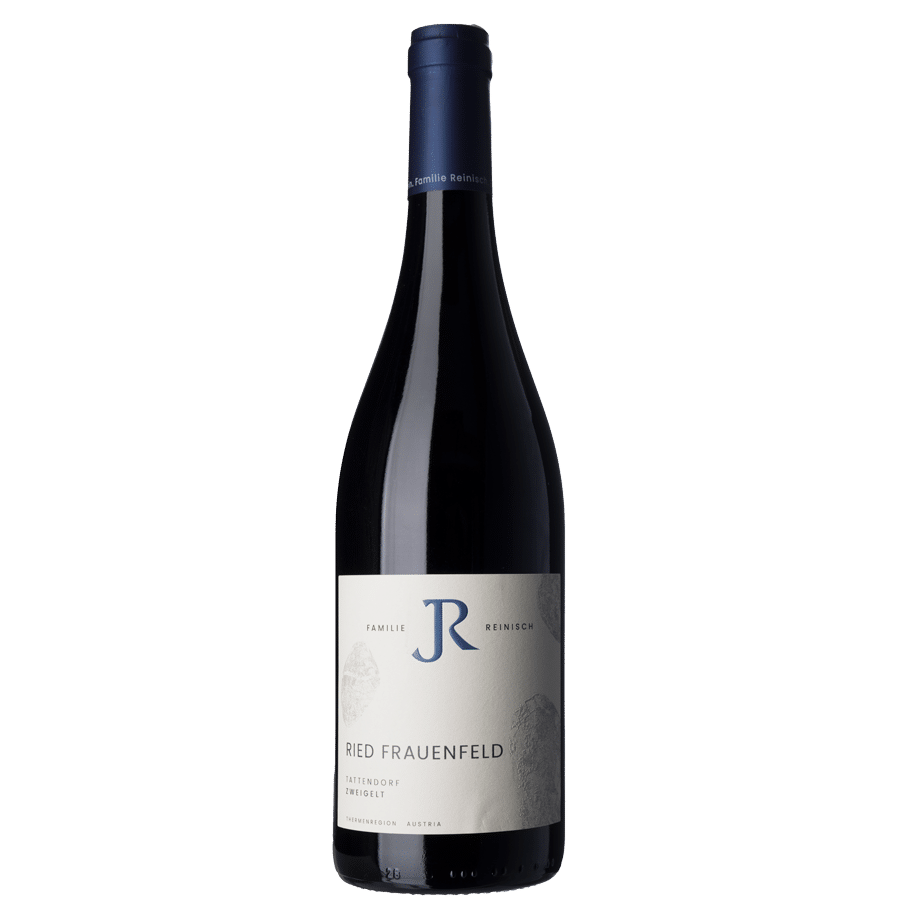
Karger alluvial soil with a thin layer of black earth, high lime content, good humus content, and abundant stones. Pinot Noir, St. Laurent, and Zweigelt.
Nomen est omen: The Steingarten vineyard is characterised by poor, stony alluvial soil with a thin layer of black earth, high limestone content and good humus levels. Pinot Noir & St. Laurent.
6 hectares of warm alluvial soil with a high lime content. Pinot Noir, St. Laurent, and Cabernet Sauvignon.
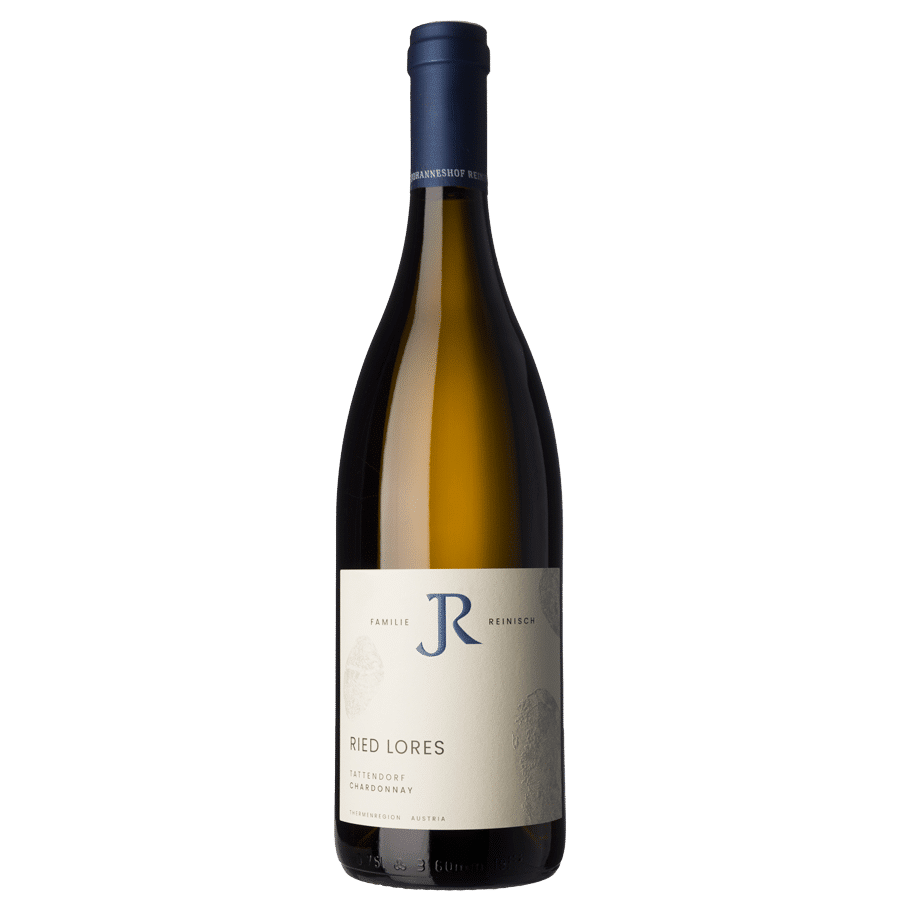
Four hectares with a layer of black soil and a cool climate. Primarily Chardonnay, with a small portion of Sauvignon Blanc.
The Vineyard Sites in Gumpoldskirchen
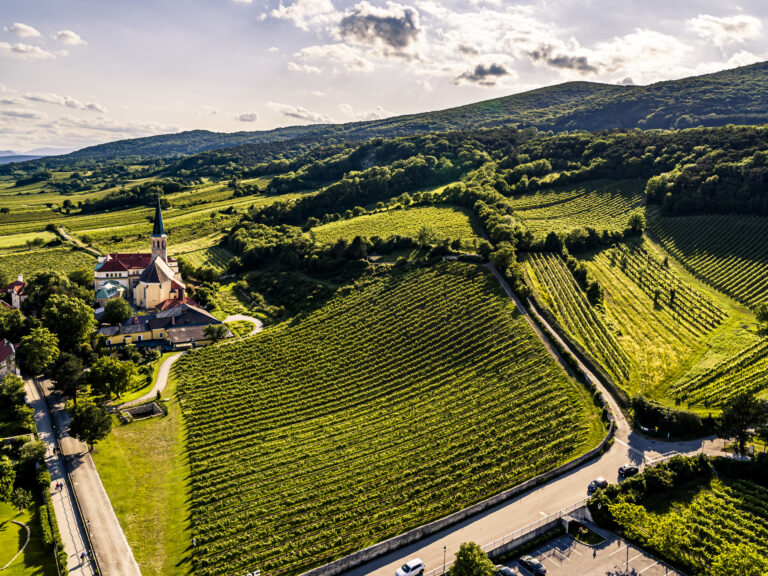
Four hectares planted with Rotgipfler. Deep weathered soil, shell limestone, high lime content. The Vineyard Site faces south and borders the Vienna Woods.
Two and a half hectares at an elevation between 260 and 320 meters. Calcareous, with deep soil in the lower section, very good humus and nutrient content, and barren soil in the upper section. Zierfandler and Rotgipfler. This exceptional vineyard is one of the most traditional in the region and has been cultivated by us since 2006.
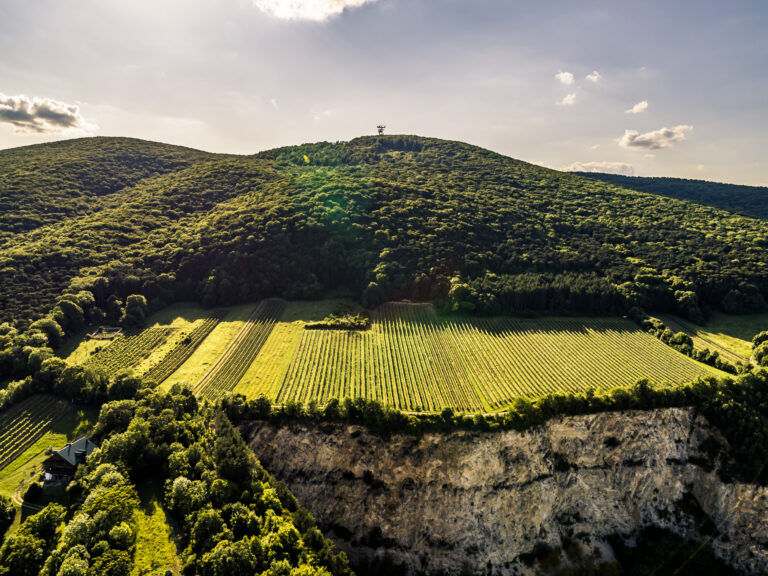
At an elevation of about 450 m on the Anninger, on a plateau above the limestone quarry. Pinot Noir, and in the future also Chardonnay and Rotgipfler. Calcareous, deep soil with high iron and clay content.